

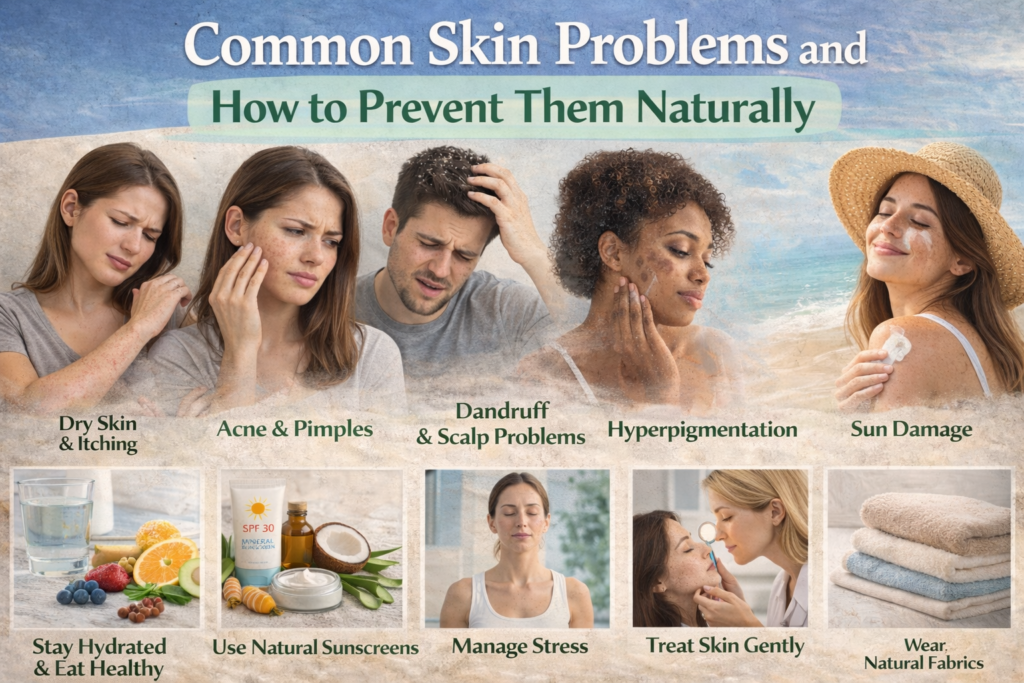
Skin problems are very common and can affect people of all ages. From acne and dryness to rashes and infections, skin issues often start small but can become uncomfortable if ignored. Many people try home remedies or over-the-counter products without understanding the root cause, which may worsen the condition.
The skin is the body’s first line of protection, and its health reflects overall well-being. Pollution, stress, poor diet, Hormonal Changes, and improper skincare habits are some of the main reasons behind skin problems. While medical treatment is important when needed, many skin issues can be prevented naturally with the right care, awareness, and daily habits.
Understanding common skin problems and how to prevent them naturally helps people take better care of their skin before serious concerns develop. This blog explains the most frequent skin problems in a simple, reassuring way and shares practical tips to protect skin health naturally.
Acne and Pimples: Causes and Natural Prevention
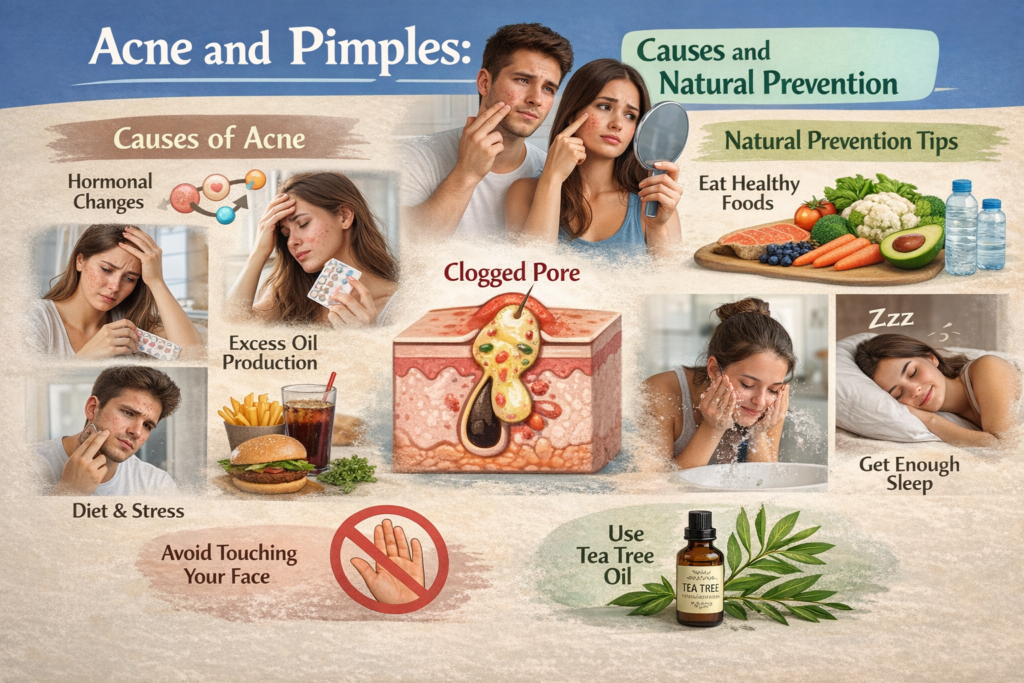
Acne is one of the most common skin problems, especially among teenagers and young adults, but it can affect people at any age. It usually appears as pimples, blackheads, or whiteheads on the face, chest, back, or shoulders. Acne develops when pores become clogged with oil, dead skin cells, and bacteria.
Hormonal changes, stress, poor diet, and improper skincare products can trigger acne. Touching the face frequently, using harsh cosmetics, or skipping cleansing routines may also worsen breakouts. Many people pop pimples, which can lead to scars and infections.
Natural prevention focuses on gentle skincare. Washing the face twice daily with a mild cleanser, avoiding oily products, drinking enough water, and eating a balanced diet help control acne. Managing stress and maintaining hygiene also play an important role. Early care and patience can prevent acne from becoming severe
Dry Skin and Itching: How to Keep Skin Hydrated Naturally
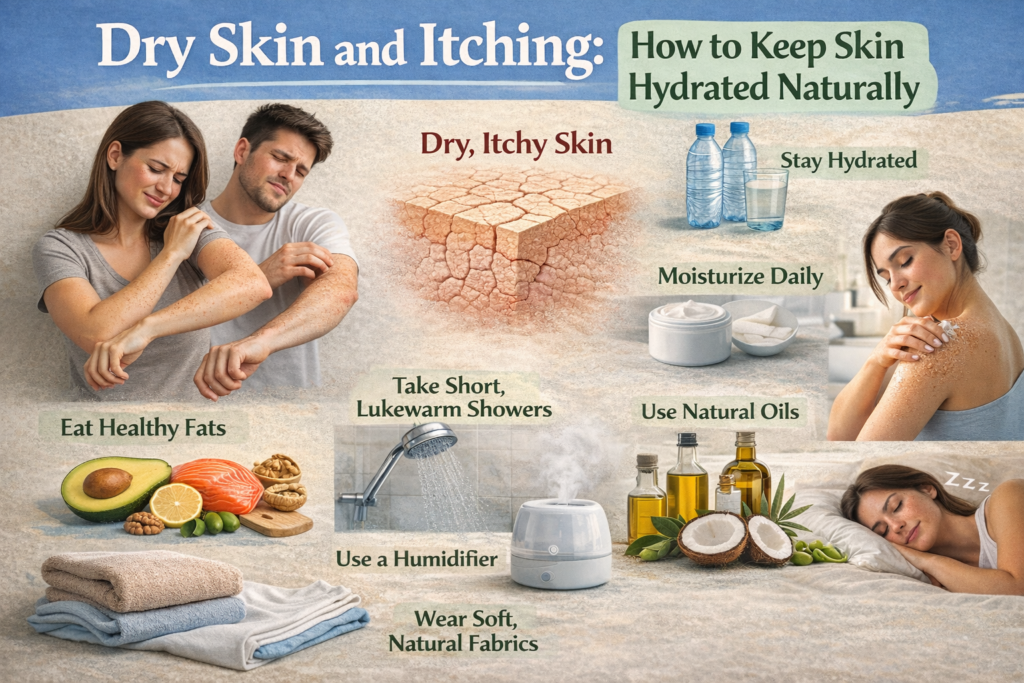
Dry skin occurs when the skin lacks moisture and natural oils. It often feels tight, rough, or itchy and may appear flaky or dull. Weather changes, excessive bathing, harsh soaps, and dehydration are common causes of dry skin.
People with dry skin may experience irritation, redness, or cracks if the condition is ignored. Long hot showers and frequent use of chemical-based products can strip the skin of its natural oils.
Natural prevention includes using gentle cleansers, applying moisturizer immediately after bathing, and avoiding very hot water. Drinking enough water and eating foods rich in healthy fats support skin hydration from within. Wearing soft fabrics and protecting skin from extreme weather also help maintain moisture balance.
Skin Allergies and Rashes: Identifying Triggers Early
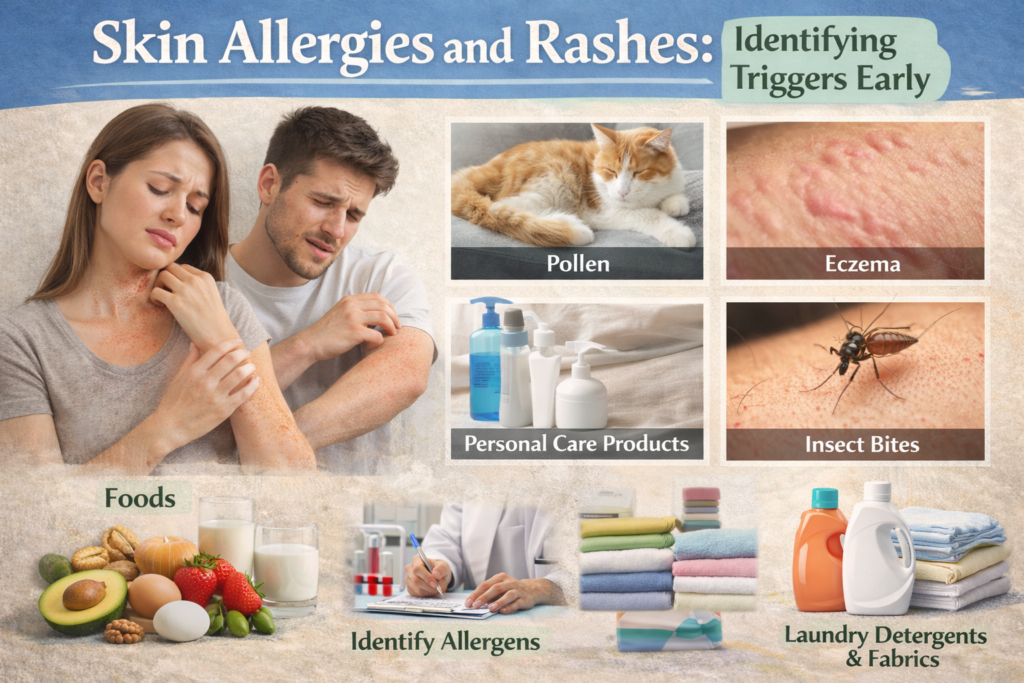
Skin allergies and rashes occur when the skin reacts to certain substances such as cosmetics, detergents, metals, or environmental allergens. Symptoms may include redness, itching, swelling, or small bumps.
Many people ignore mild rashes, assuming they will disappear on their own. However, repeated exposure to allergens can worsen the condition. Stress and weakened immunity can also make the skin more sensitive.
Natural prevention begins with identifying and avoiding triggers. Using fragrance-free skincare products, wearing breathable clothing, and keeping the skin clean can reduce reactions. Applying soothing agents like aloe vera and maintaining good hygiene helps calm irritated skin. Early awareness prevents chronic skin sensitivity
Fungal Infections: Keeping Skin Clean and Dry
Fungal infections are common in warm and humid conditions and often affect areas like the feet, groin, and skin folds. Symptoms include itching, redness, peeling, or discoloration.
Poor hygiene, sweating, tight clothing, and sharing personal items increase the risk of fungal infections. These infections can spread if left untreated.
Natural prevention focuses on keeping the skin clean and dry. Wearing loose cotton clothes, changing out of sweaty clothing quickly, and maintaining personal hygiene reduce fungal growth. Avoiding shared towels and footwear also helps prevent infection spread.
Pigmentation and Sun Damage: Protecting Skin Naturally
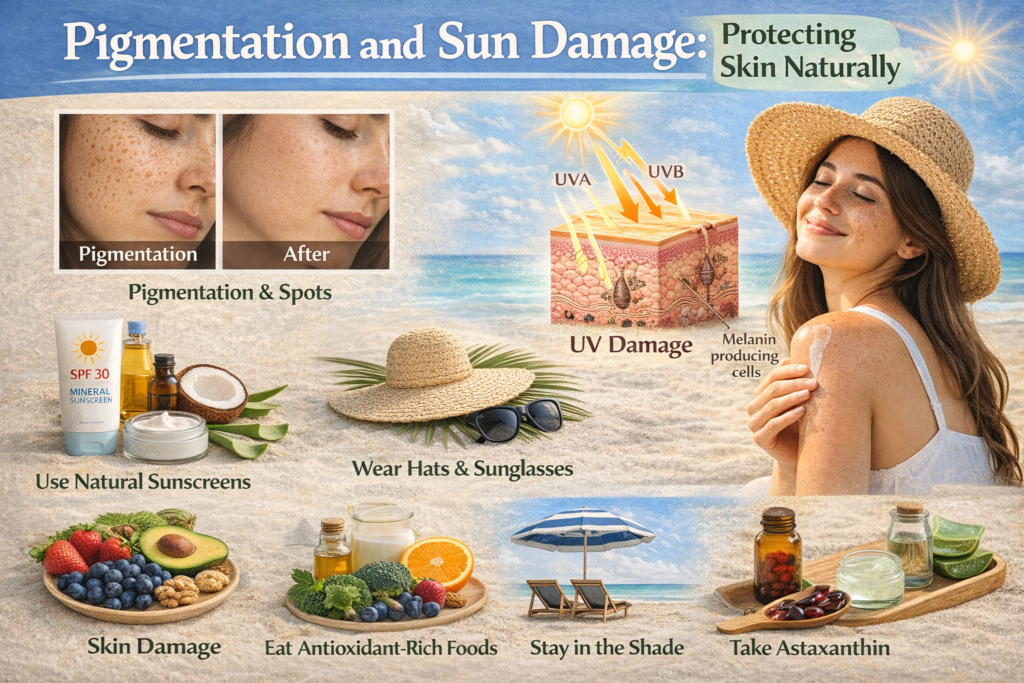
Pigmentation and dark spots often result from excessive sun exposure, hormonal changes, or inflammation. Sun damage weakens the skin barrier and accelerates aging.
Natural prevention includes limiting sun exposure, wearing protective clothing, and using sunscreen daily. A diet rich in antioxidants supports skin repair. Simple habits like staying in shade during peak sunlight hours help protect skin naturally.
Eczema and Sensitive Skin: Gentle Care Makes a Big Difference
Eczema is a common skin condition that causes dryness, redness, itching, and irritation. People with sensitive skin often experience flare-ups when exposed to harsh soaps, allergens, weather changes, or stress. While eczema is not contagious, it can significantly affect comfort and daily life if not managed properly.
Sensitive skin reacts more easily because its protective barrier is weaker. This allows moisture to escape and irritants to enter, leading to inflammation. Scratching itchy areas can further damage the skin and increase the risk of infection.
Natural prevention focuses on gentle care. Using mild, fragrance-free cleansers, moisturizing regularly, and avoiding known triggers help protect sensitive skin. Wearing soft cotton clothing and maintaining proper hydration also reduce irritation. Understanding skin sensitivity and adopting a calm, consistent skincare routine can help prevent frequent flare-ups and keep the skin comfortable.
Dandruff and Scalp Problems: Maintaining Scalp Health Naturally
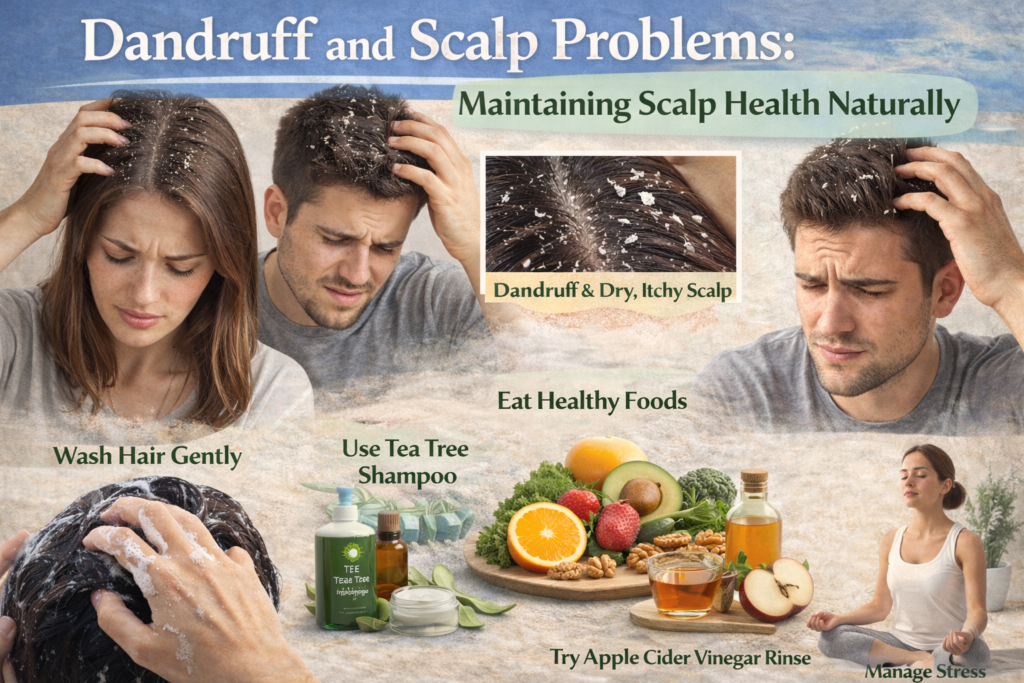
Dandruff is a common scalp problem that causes flaking, itching, and discomfort. It may result from dry skin, excess oil production, fungal growth, or sensitivity to hair products. Stress and weather changes can also worsen scalp conditions.
Many people ignore dandruff or use harsh products that temporarily reduce flakes but damage the scalp over time. Scratching the scalp can lead to irritation and hair fall.
Natural prevention includes maintaining scalp hygiene, using gentle shampoos, and avoiding excessive product buildup. Keeping the scalp clean and dry helps prevent fungal growth. Managing stress, eating a balanced diet, and avoiding frequent heat styling support scalp health. A healthy scalp is essential for strong, comfortable hair growth.
Premature Skin Aging: Simple Habits That Protect Your Skin
Premature skin aging appears as fine lines, wrinkles, dullness, and loss of elasticity. Factors such as sun exposure, pollution, poor nutrition, lack of sleep, and stress contribute to early aging of the skin.
Many people believe aging is unavoidable, but daily habits play a major role in how the skin ages. Repeated sun exposure without protection accelerates damage to skin cells. Dehydration and poor diet weaken the skin’s ability to repair itself.
Natural prevention includes protecting the skin from sunlight, staying hydrated, eating antioxidant-rich foods, and maintaining a consistent skincare routine. Adequate sleep and stress management also support skin renewal. Small lifestyle changes help preserve skin health and slow visible aging naturally.
Hyperpigmentation After Skin Injury or Acne
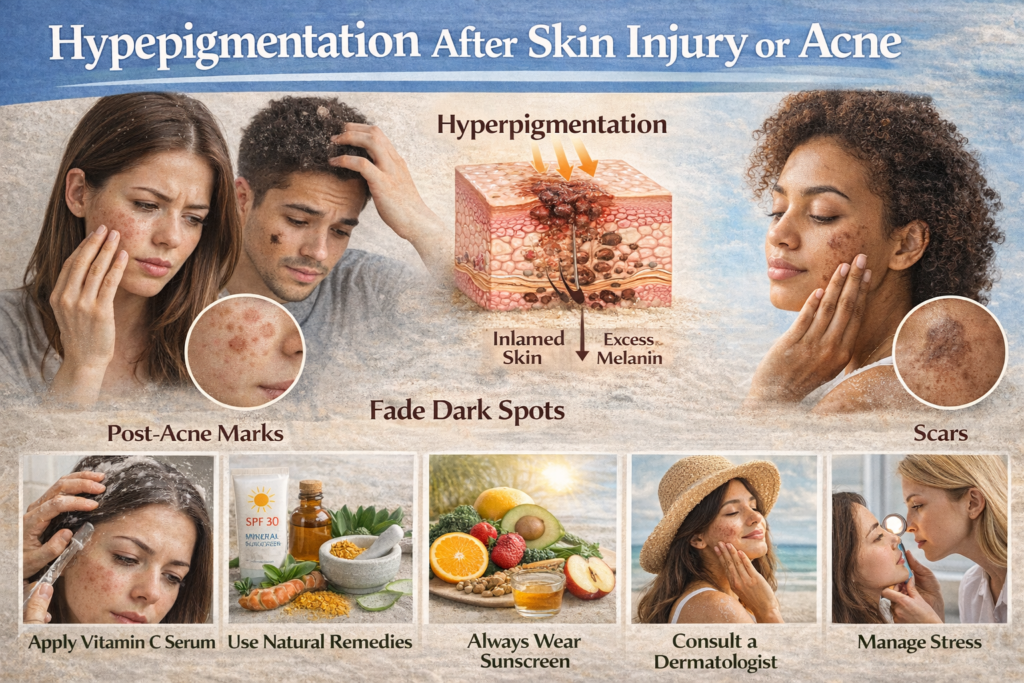
Hyperpigmentation often appears after acne, cuts, burns, or skin inflammation. These dark spots develop when the skin produces excess pigment as part of the healing process. While usually harmless, pigmentation can affect confidence and skin appearance.
Picking pimples, scratching wounds, or sun exposure during healing increases pigmentation risk. Many people use strong products hoping for quick results, which can worsen discoloration.
Natural prevention involves allowing the skin to heal gently, avoiding picking or scratching, and protecting healing skin from sunlight. Consistent skincare and patience help reduce pigmentation over time. Understanding how the skin heals prevents long-lasting marks and promotes even skin tone.
Why Consistency in Skincare Is More Important Than Products
Many people frequently change skincare products hoping for faster results, but inconsistency often leads to skin problems. Skin needs time to adjust and respond to care. Overloading the skin with too many products can cause irritation and breakouts.
Consistency in cleansing, moisturizing, and protection helps maintain skin balance. Simple routines followed daily are often more effective than complex regimens used irregularly.
Natural prevention emphasizes routine over trends. Understanding your skin type and sticking to gentle care builds stronger, healthier skin over time. Regular habits support long-term skin wellness and reduce the risk of recurring problems
Conclusion
Understanding common skin problems and how to prevent them naturally empowers people to care for their skin with confidence. Most skin issues start with small changes that are easy to overlook. Early attention, healthy habits, and gentle skincare can prevent long-term damage.
Natural prevention does not replace medical care but helps maintain healthy skin and reduces the risk of serious problems. Listening to your skin, staying consistent with daily care, and seeking guidance when needed ensure lasting skin health and comfort.