

Heart disease often develops quietly, without causing obvious symptoms in the early stages. Many people assume heart problems happen suddenly, but in reality, the body usually gives warning signs long before a serious condition develops. Understanding the early signs of heart disease can help people seek medical care at the right time and prevent complications.
These early symptoms are often mild and easy to ignore. Fatigue, breathlessness, or occasional chest discomfort may be mistaken for stress, aging, or daily tiredness. However, when these signs appear repeatedly or worsen over time, they may indicate an underlying heart issue. Early awareness plays a critical role in protecting heart health.
This blog explains the most common early warning signs of heart disease in a simple and reassuring way. Knowing what to watch for can help individuals take timely action, adopt healthier habits, and reduce the risk of serious heart problems in the future.
Chest Discomfort and Unusual Pressure
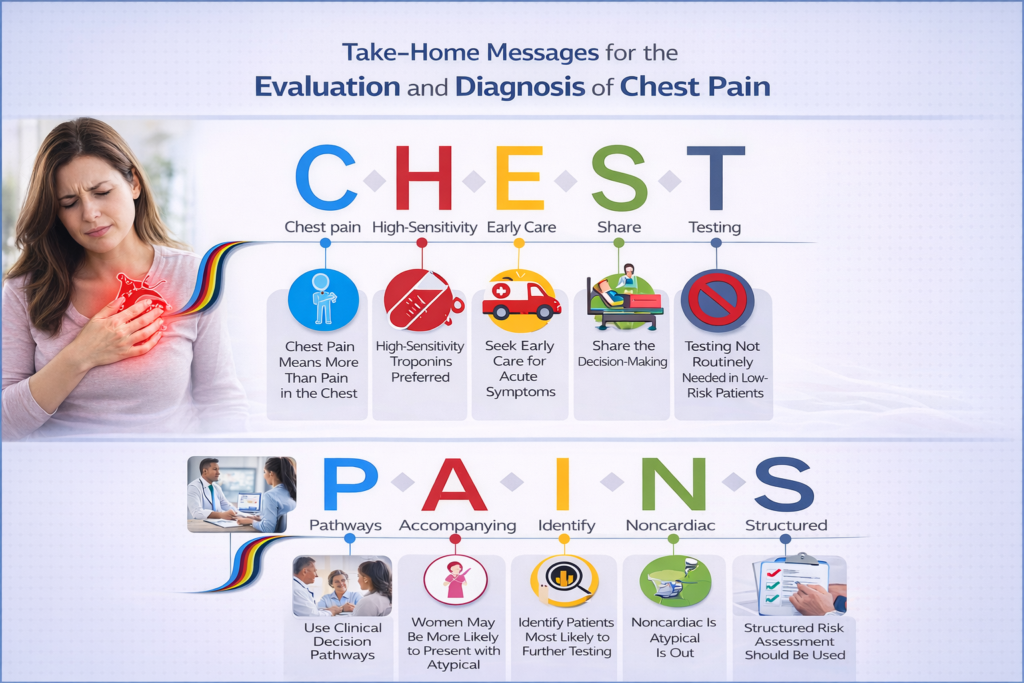
Chest discomfort is one of the most commonly recognized early warning signs of heart disease, yet it is often misunderstood. It does not always feel like sharp pain. Many people describe it as pressure, tightness, heaviness, burning, or a squeezing sensation in the center of the chest. This discomfort may come and go, especially during physical exertion, emotional stress, or after meals.
In some cases, the sensation may spread to the arms, shoulders, neck, jaw, or upper back. Because the discomfort can be mild or brief, people often ignore it or assume it is related to acidity or muscle strain. However, repeated or unexplained chest discomfort should never be ignored.
Early evaluation helps determine whether the discomfort is heart-related or due to another cause. Identifying cardiac chest symptoms early allows doctors to recommend lifestyle changes, monitoring, or treatment before serious complications develop. Paying attention to these early signs can help protect heart health and prevent emergencies.
Shortness of Breath During Daily Activities
Shortness of breath during routine activities can be an early sign that the heart is not functioning efficiently. People may notice difficulty breathing while walking, climbing stairs, or performing light physical tasks that previously felt easy. This happens when the heart struggles to pump enough oxygen-rich blood throughout the body.
Breathlessness may also occur while lying flat or during sleep, causing discomfort and interrupted rest. While breathing problems are often associated with lung conditions, heart-related causes are common and should not be overlooked.
This symptom may develop gradually, making it easy to adjust activities without realizing something is wrong. However, increasing breathlessness over time deserves attention. Early evaluation can help identify underlying heart issues and prevent worsening symptoms. Recognizing breathlessness early supports timely care and long-term heart protection.
Unusual Fatigue and Low Energy Levels
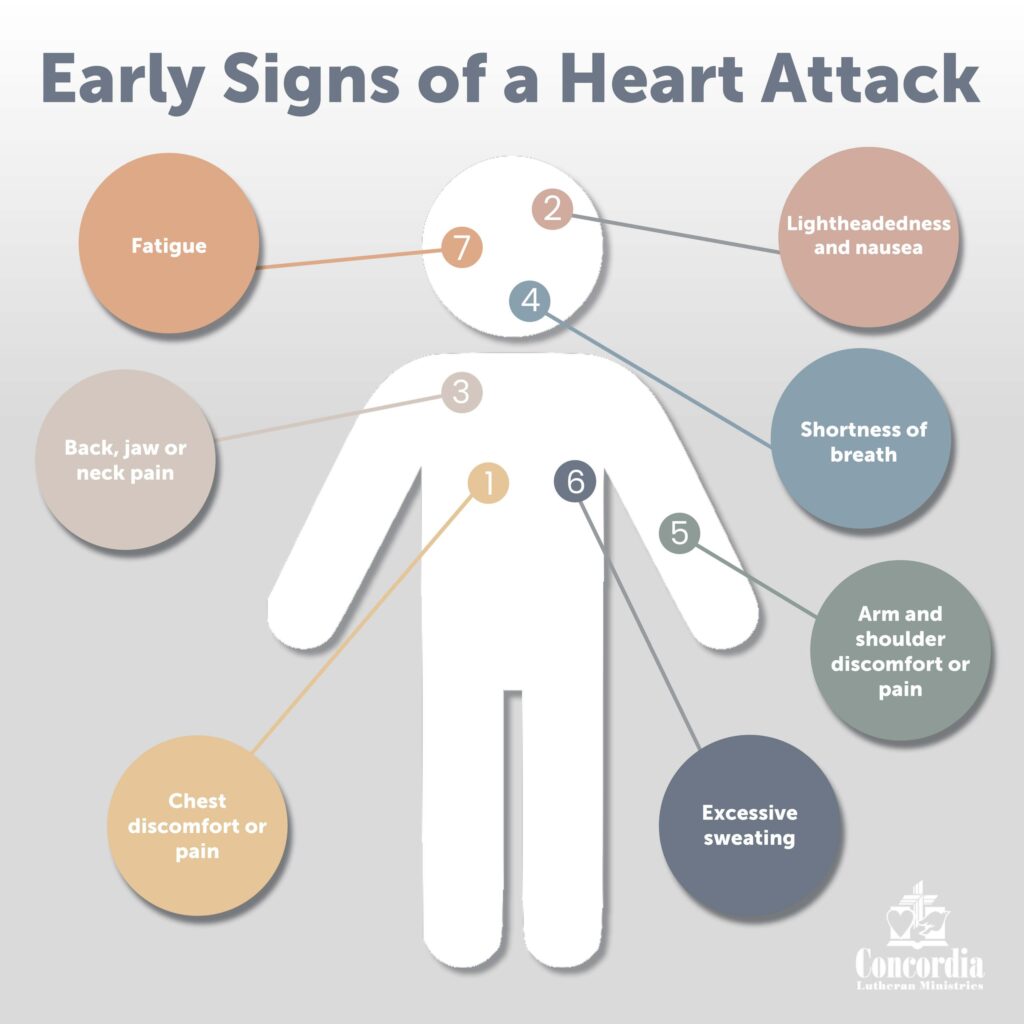
Persistent fatigue is an early heart disease symptom that many people overlook. Unlike normal tiredness, this fatigue does not improve with rest and may feel overwhelming. Everyday tasks such as walking, household work, or even getting dressed may feel exhausting.
This happens because the heart is unable to pump enough blood to meet the body’s energy needs. As a result, muscles and organs receive less oxygen, leading to ongoing weakness and low stamina. Women, in particular, often experience fatigue as an early symptom.
Because fatigue can be caused by stress, poor sleep, or busy schedules, it is often dismissed. However, when fatigue is persistent, unexplained, or worsening, it may signal an underlying heart condition. Early recognition allows lifestyle changes and medical care that can restore energy levels and improve heart function.
Irregular Heartbeat or Palpitations
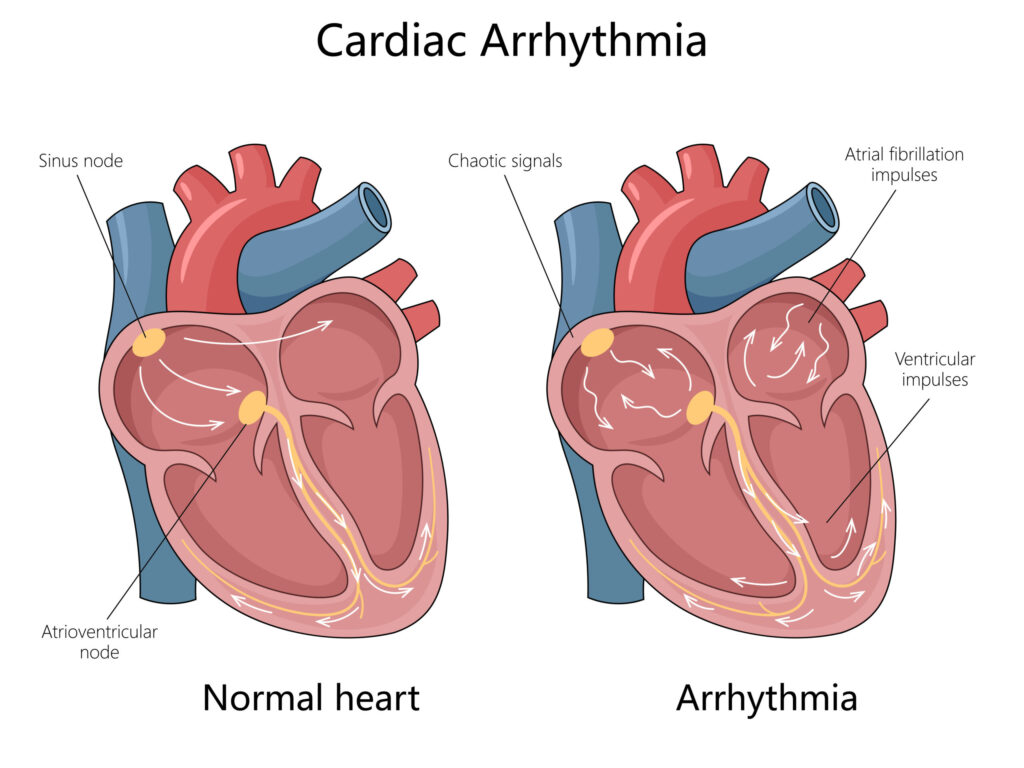
An irregular heartbeat, also known as palpitations, may feel like fluttering, pounding, or skipped beats in the chest. Occasional palpitations can be harmless, but frequent or persistent irregular heart rhythms may indicate an underlying heart issue.
Heart rhythm problems can disrupt blood flow and increase the risk of complications if left untreated. Some people may also experience dizziness, lightheadedness, or anxiety along with palpitations.
Monitoring changes in heartbeat patterns and seeking evaluation early helps identify rhythm disorders before they worsen. Early diagnosis allows safe management and helps maintain steady heart function. Paying attention to irregular heartbeats supports long-term cardiovascular health.
Swelling in Legs, Feet, or Ankles
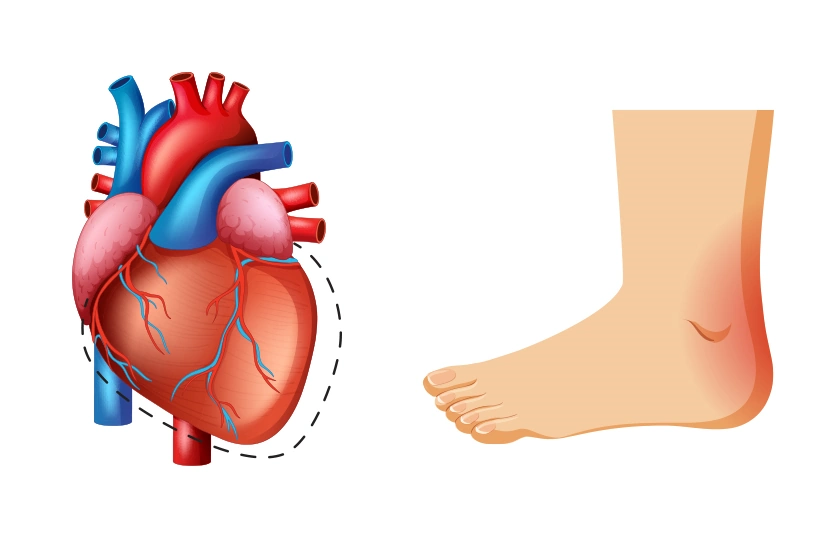
Swelling in the lower legs, feet, or ankles can be an early sign that the heart is not pumping efficiently. When blood flow slows, fluid may accumulate in the tissues, leading to visible swelling by the end of the day.
This swelling may improve overnight but return during the day. While swelling can occur due to standing for long periods or other conditions, persistent or worsening edema should be evaluated.
Early recognition of swelling helps detect heart function changes before serious complications occur. Addressing the cause early supports better circulation and overall heart health.
Dizziness, Lightheadedness, and Sudden Weakness
Feeling dizzy or lightheaded without a clear reason can sometimes be linked to heart-related problems. These sensations may occur when the heart is unable to pump enough blood to the brain, leading to reduced oxygen supply. Some people describe this feeling as unsteadiness, faintness, or a sensation that they might pass out.
Sudden weakness, especially when combined with dizziness, should not be ignored. It may happen during physical activity, after standing up quickly, or even while resting. While dehydration, low blood sugar, or stress can also cause dizziness, heart-related causes need to be ruled out, particularly if the symptoms occur repeatedly.
Heart rhythm disturbances, low blood pressure, or early heart failure can contribute to these sensations. Paying attention to when dizziness occurs and how often it happens is important. Early medical evaluation helps identify the cause and prevents serious complications. Recognizing these subtle signs allows timely action and supports overall heart health.
.
Persistent Cough or Wheezing Without Infection
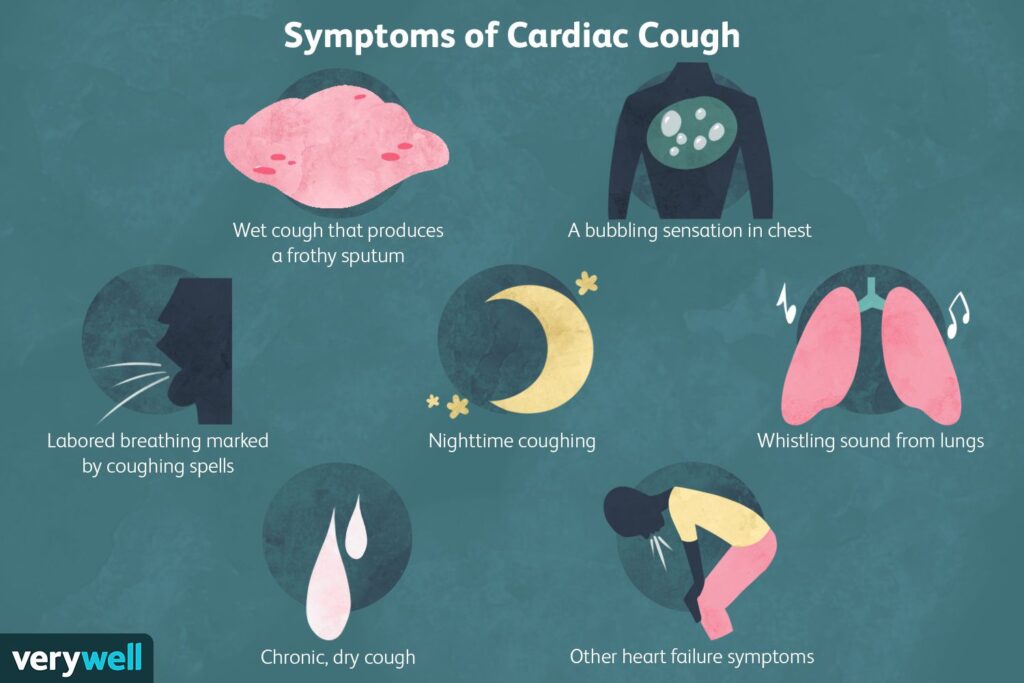
A persistent cough or wheezing is often associated with respiratory infections, but in some cases, it may be linked to heart conditions. When the heart is not functioning efficiently, fluid can build up in the lungs, leading to coughing or a wheezing sound while breathing.
This type of cough often worsens at night or when lying flat. Some people may notice frothy or pink-tinged mucus, which can indicate fluid retention in the lungs. Because these symptoms resemble common chest infections, they are frequently misdiagnosed or overlooked.
If a cough persists despite treatment or occurs alongside breathlessness and fatigue, it may be heart-related. Early evaluation helps differentiate between lung and heart causes. Recognizing this sign early allows appropriate care and prevents worsening heart function. Understanding the connection between heart health and breathing symptoms is important for timely intervention.
Sudden Weight Gain and Fluid Retention
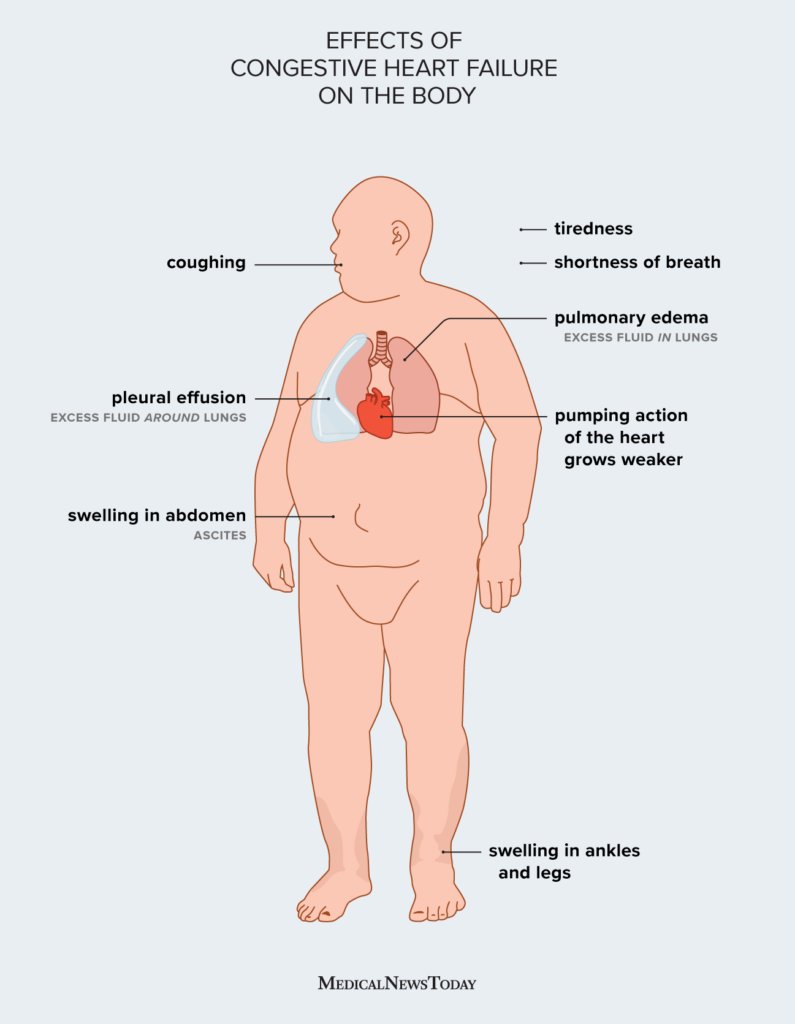
Sudden or unexplained weight gain can sometimes indicate fluid retention caused by heart problems. When the heart struggles to pump blood effectively, the body may retain excess fluid, leading to rapid weight gain over a short period.
This weight gain often occurs alongside swelling in the legs, ankles, or abdomen. Clothes or shoes may feel tighter than usual. Because weight changes can also be linked to diet or lifestyle, fluid-related weight gain is often missed as a heart-related sign.
Monitoring body weight regularly can help identify unusual changes early. A gain of several kilograms within a few days should be evaluated. Early recognition of fluid retention allows timely management and helps prevent complications. Being aware of sudden weight changes supports proactive heart health care.
High Blood Pressure and Its Silent Warning Signs
High blood pressure is often called a silent condition because it may not cause noticeable symptoms in the early stages. However, it plays a major role in the development of heart disease. Over time, elevated blood pressure puts extra strain on the heart and blood vessels.
Some people may experience headaches, dizziness, or blurred vision, but many feel completely normal. Without regular monitoring, high blood pressure can go unnoticed for years, increasing the risk of heart attack or stroke.
Routine blood pressure checks help detect this condition early. Managing blood pressure through lifestyle changes and medical care reduces strain on the heart and protects long-term cardiovascular health. Awareness and regular monitoring are key to preventing heart-related complications.
Changes in Sleep Patterns and Nighttime Discomfort
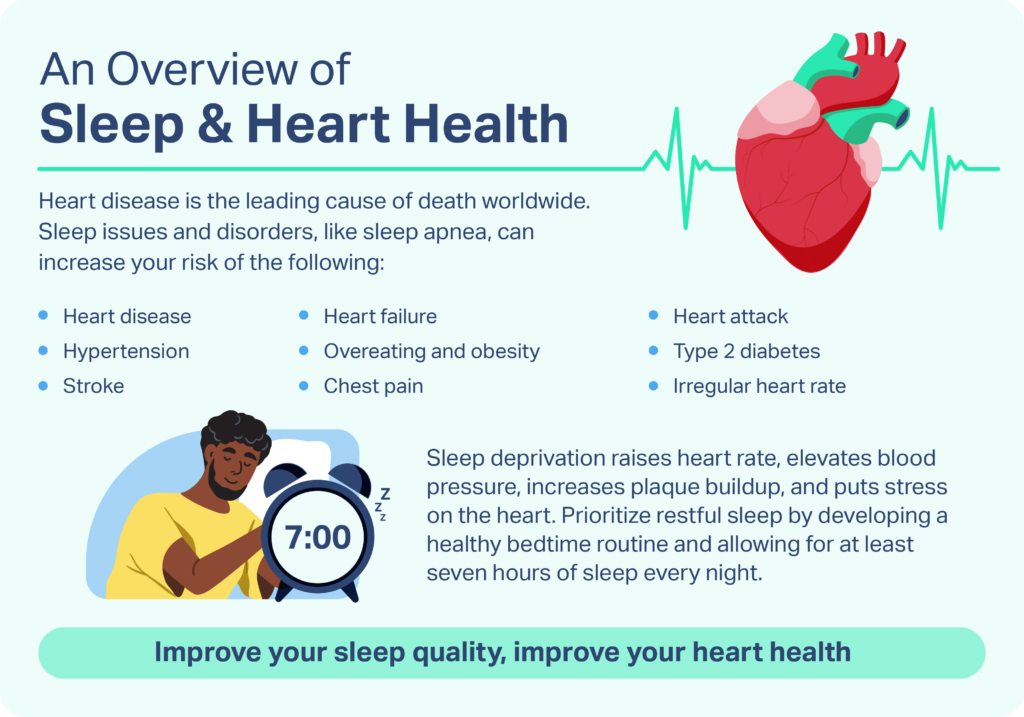
Changes in sleep patterns can sometimes signal underlying heart problems. Some individuals may experience difficulty sleeping flat, frequent nighttime awakenings, or a feeling of breathlessness when lying down. These symptoms may indicate fluid buildup or reduced heart efficiency.
Poor sleep affects overall health and can worsen heart conditions. Fatigue during the day, restlessness at night, or sudden waking due to discomfort should not be ignored. While sleep issues are common, persistent changes may be linked to heart health.
Recognizing sleep-related warning signs and seeking evaluation helps identify issues early. Restful sleep is essential for heart recovery and overall well-being. Paying attention to nighttime symptoms supports better heart care and long-term health.
Why Paying Attention to Early Symptoms Can Save Lives
Early symptoms of heart disease are often subtle and easy to ignore, but they play a crucial role in prevention. Acting early allows individuals to make lifestyle changes, seek evaluation, and manage risk factors before serious events occur.
Awareness empowers people to listen to their bodies and recognize changes that may indicate heart strain. Early intervention improves outcomes and reduces long-term complications. Understanding that heart disease develops gradually encourages proactive care rather than emergency response.
Conclusion
Recognizing the early signs of heart disease empowers individuals to take control of their heart health. Symptoms such as chest discomfort, breathlessness, fatigue, irregular heartbeat, and swelling often appear gradually and may be easy to ignore.
Early awareness, lifestyle adjustments, and timely medical evaluation can significantly reduce the risk of serious heart problems. Listening to your body and responding early can make a life-saving difference. Heart health begins with awareness, and small steps taken today can protect the heart for years to come.